Do You Need a Permit for Concrete Work in Vandalia? What to Know First
Planning an upgrade to your home's curb appeal or extending your outdoor living space? Before you schedule the trucks, understanding the local building codes regarding a concrete permit in Vandalia can save you from costly fines and project delays. The rules here are more specific than many homeowners expect, especially around driveways, property lines, and the public right-of-way. This guide walks you through what actually needs a permit in Vandalia, why the city inspects before concrete is poured, and how the right contractor keeps the whole process off your plate.
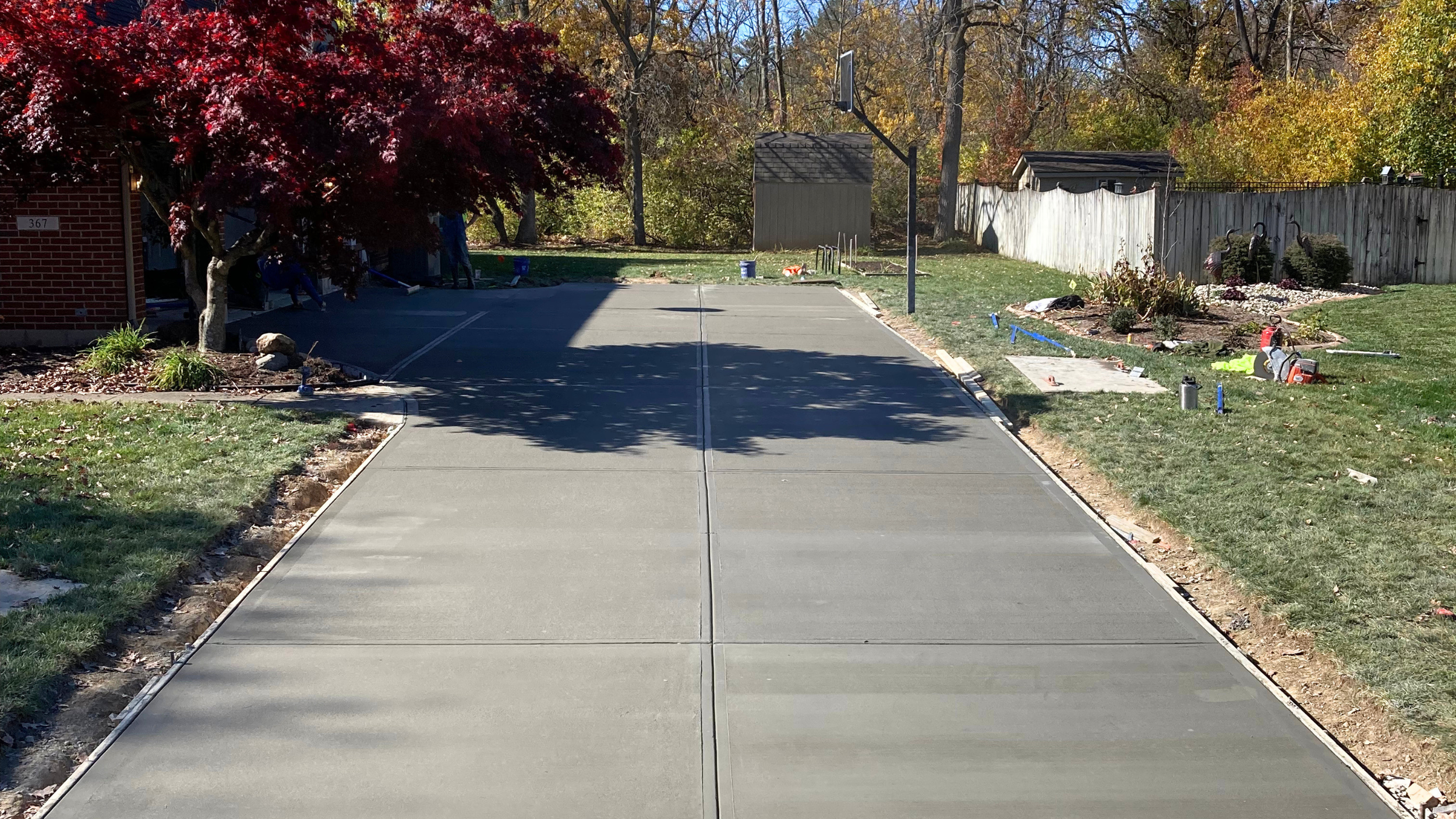
Does Vandalia Require a Permit for Concrete Work?
Short answer: often, yes. Vandalia does not treat concrete as a no-questions-asked project. The city reviews concrete work to protect property lines, drainage, public infrastructure, and the road right-of-way, and several common residential projects need a permit before the first truck arrives.
The city's own guidance is clear on the big ones. A permit is required for driveways and for work done in the right-of-way area, which includes the sidewalk and the drive approach. Permits are also required for both decks and patios. And importantly, inspections are made before any concrete is poured, not after.
That last point is the one that trips up homeowners who try to rush a job or hire an unlicensed crew. If the work is not inspected at the right stage, you can be asked to tear it out and start over, permit fines included.
Navigating Building Codes and Choosing a Vandalia Concrete Contractor
When navigating city structural codes, the best concrete permit Vandalia process begins with checking setback lines and how much of your lot can be covered by hard surfaces. A licensed Vandalia concrete contractor will routinely pull the necessary engineering and right-of-way permits for you, making sure your new driveway or patio installation complies fully with local Montgomery County structural mandates.
This is where local experience matters. Vandalia's Development and Engineering Services department reviews private projects for zoning items like setbacks, off-street parking standards, and accessory structures. A contractor who works in the city regularly already knows what the reviewer will look for, which plans to submit, and how to schedule the pre-pour inspection so the project keeps moving.
Which Concrete Projects Usually Need a Permit
Not every project carries the same requirements, but a handful of common residential concrete jobs typically trigger a permit or review in Vandalia. Here is how the main ones break down.
New or Replacement Driveways
Driveways are the big one. A permit is required for new and replacement driveways, and that includes any work that touches the drive approach where your driveway meets the street. Because a replacement often disturbs the same right-of-way area as a new install, do not assume that swapping old concrete for new skips the permit step.
Sidewalk and Right-of-Way Work
Any concrete work in the public right-of-way needs a permit, since that area is public infrastructure the city controls. This covers sidewalks and the drive approach, both of which sit in the city-controlled strip along the road even though they run across the front of your property.
Patios and Decks
The city specifically calls out patios and decks as requiring a permit. This surprises homeowners who assume a ground-level patio is exempt, so it is one to confirm before you settle on a size and location.
Structural Slabs
Slabs that support a structure, such as a garage floor, shed foundation, or room addition, fall under building and zoning review. These carry more scrutiny than flatwork because they tie into a structure, so plan for the added review time.
Because requirements can vary by project and property, the city recommends contacting Development and Engineering Services early. Their office number is 937-898-3750, and they can provide a plot plan of your property along with answers to project-specific questions.
Why the Right-of-Way Is Treated Differently
The public right-of-way is the strip of land the city controls along the road, and it usually includes the area around the sidewalk and the drive approach, even though it runs across the front of your property. Because utilities, drainage, and public access all live in that zone, Vandalia requires a permit for any concrete work that touches it.
If your project is on a county road rather than a city street, a separate approval may apply. The Montgomery County Engineer's Office issues access permits for new driveway access to a county road and controls work within the county road right-of-way. An experienced contractor will know which jurisdiction applies to your address and handle the correct application, so you are not guessing.
How Property Lines and Setbacks Affect Your Concrete Project
Zoning laws in Vandalia and Montgomery County are precise about property lines, right-of-ways, and curb-cut approaches for new driveways. A setback is simply the minimum distance a project has to keep from your property line, and concrete work is not exempt.
When the city runs its zoning review, it looks at where the concrete sits relative to your property lines, how much of your lot will be covered by hard surface, and whether drainage will be affected. Pour a driveway or patio too close to a property line, or cover too much of the lot, and the project can be flagged even if the concrete itself is flawless.
This is exactly why the drawing the building department wants is your project drawn to scale on your lot, with the distance to each property line clearly marked. Getting that right up front is far cheaper than moving concrete later.
Ground-Level Patios: A Common Point of Confusion
Homeowners often assume a simple backyard patio is exempt because it sits on the ground. In Vandalia, the city specifically states that a permit is required for patios, so it is not safe to assume otherwise. Even in Ohio jurisdictions where a ground-level patio skips a full building permit, it still has to satisfy zoning rules for setbacks, lot coverage, and drainage under the state residential code. In other words, "no building permit" never means "no rules." The safe move is to confirm with the city, or let your contractor confirm for you, before you commit to a size and location.
If you are weighing a patio project, our overview of patio options and finishes on the concrete patio services page can help you plan the design while the permit details get handled in parallel.
What Happens If You Skip the Permit
It is tempting to treat a permit as red tape, but skipping it in Vandalia carries real risk.
Because the city inspects before concrete is poured, unpermitted work often cannot pass inspection after the fact. You may face stop-work orders, fines, and in the worst case an order to remove concrete that was placed in the wrong spot or without the required review. On top of that, unpermitted work can surface later during a home sale, complicating the closing.
There is also a quality angle. The pre-pour inspection exists to confirm the base, forms, and placement are right before the concrete locks everything in. A contractor who tries to dodge that step is often cutting other corners too, and concrete mistakes are expensive to undo.
How a Local Contractor Handles the Red Tape for You
The good news is that you do not have to become a permitting expert. This is a routine part of what an established local contractor does.
At Cardinal Concrete, a family-owned company based right here in Vandalia, handling local permit and inspection details is part of the job. We confirm which permits your project needs, prepare the plans the city wants to see, coordinate the pre-pour inspection, and keep your driveway, patio, or slab compliant with Vandalia and Montgomery County requirements. That means fewer surprises, no scramble to fix a missed inspection, and a finished project that holds up to both the weather and the code.
If you are planning a new driveway, our guide to concrete driveways in Ohio: cost, types, and what to expect pairs well with this article, and you can always start with a look at our full residential concrete services.
Frequently Asked Questions
-
In most cases, yes. Vandalia requires a permit for driveways and for work in the right-of-way, which includes the drive approach where your driveway meets the street. Even a replacement can involve the right-of-way and a pre-pour inspection, so confirm with Development and Engineering Services at 937-898-3750 or let your contractor handle it.
-
Yes. The city specifically states that a permit is required for patios. Even where a ground-level patio might skip a full building permit elsewhere in Ohio, it still must meet zoning rules for setbacks, lot coverage, and drainage, so it is best to confirm before you pour.
-
The City of Vandalia Development and Engineering Services department handles permits and inspections for private projects, and inspections are made before any concrete is poured. For driveway access on a county road, the Montgomery County Engineer's Office may also be involved.
-
The drive approach, sometimes called the driveway apron, is the section where your driveway connects to the public street, and it sits in the city-controlled right-of-way. Because that area involves public infrastructure and drainage, Vandalia requires a permit for work done there.
-
Yes, and an experienced local contractor usually will. Cardinal Concrete confirms the required permits, prepares the plans the city needs, and coordinates the pre-pour inspection so your project stays compliant and on schedule.
Ready to Start Your Vandalia Concrete Project the Right Way?
A concrete permit in Vandalia is not something to guess at. Driveways, patios, and right-of-way work all carry requirements, and the city inspects before the concrete is poured, so getting the paperwork right up front protects both your wallet and your timeline.
The team at Cardinal Concrete handles the permits, plans, and inspections as part of the project, so you can focus on the finished result. Call or text 937-475-1447, or reach out through our contact form for a free estimate and a straight answer on what your specific project needs.